Recycling and Sustainability for Gardening Yeading
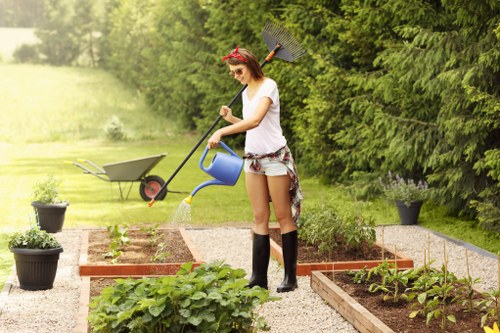 Gardening Yeading champions an eco-friendly waste disposal area and a sustainable rubbish gardening area so that community green spaces thrive while reducing landfill. This page explains how local garden waste, green recyclables and household gardening detritus are managed, and how residents and volunteers can support a low-carbon approach. Yeading sustainable gardening efforts are aligned with local boroughs' waste separation models — categorising glass, mixed recyclables, food waste and garden material for targeted processing.
What we do in the eco-friendly waste disposal area
Our community-led recycling and sustainability initiative focuses on creating practical collection points across the neighbourhood that feed into local transfer stations and household waste recycling centres. We prioritise an eco-conscious waste stream that separates compostables from recyclable plastics and metals, while ensuring bulky garden items like pots and wooden planters are diverted to reuse or specialist recycling. The approach mirrors borough-level systems and supports consistent kerbside separation where available.
 Why separation matters: segregated waste increases recovery rates, reduces contamination and helps garden waste become high-quality compost. Our sustainable rubbish gardening area accepts green waste and clean woody material, and the scheme works with civic amenity sites nearby to ensure proper transfer. Volunteers sort materials on-site when needed and label containers so residents understand local recycling categories.
We set clear targets to drive progress. Recycling percentage target: our community aims to reach 60% recycling of all garden and associated household waste within five years, with a longer-term ambition of 70% by 2035. These targets are realistic for a suburban environment and are intended to complement borough-level targets, helping Gardening Yeading become a model of sustainable rubbish gardening area management.
Key activities include:
- Source-separation of garden waste, food caddies and mixed recyclables
- Community composting and communal green bins for leaf and grass cuttings
- Reuse exchanges and plant-swap events to reduce material turnover
 We collaborate with borough services to link our drop-off points to nearby transfer stations. Materials are compacted and sent to approved processing facilities to be turned into compost, biomass feedstock or re-manufactured materials. This reduces the distance waste travels and limits carbon emissions. The route planning of collections is optimised to feed local transfer stations efficiently, reducing handling and avoiding unnecessary transport loops.
Partnerships with charities and social enterprises are central to our sustainable model. We work with reuse charities, community allotments and local not-for-profits to redirect usable items — from plant pots and tools to timber and soil enhancers — away from the waste stream. These relationships increase social value, provide resources for community projects and enable a circular approach to garden resources within Yeading and neighbouring wards.
Local transfer stations and civic support
Our network coordinates with local transfer stations and household waste recycling centres that serve the area. These facilities accept segregated garden waste, bulky items and recyclable materials. By feeding into local infrastructure rather than distant facilities, Gardening Yeading reduces travel distances, preserves material integrity and shortens processing times, which all contribute to a lower-carbon system.To move materials responsibly we operate a fleet of low-carbon vans and small electric carriers for collections and drop-offs. These vehicles are scheduled to consolidate loads, minimise empty runs and prioritise routes to transfer stations and partner charities. The result is a visible reduction in emissions compared with conventional diesel runs, and a quieter, cleaner round for residents and wildlife.
 Community engagement is the backbone of a sustainable rubbish gardening area. Educational signage, local swap days and pop-up composting demonstrations help residents understand how boroughs' waste separation policies apply to garden and household waste. We emphasise prevention, reuse and composting over disposal, and provide clear instructions where to take specific items to avoid contamination.
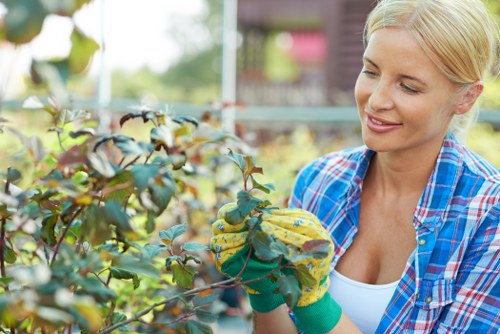 Inventory and reuse schemes reduce the need to buy new materials: soil, compost, second-hand pots and reclaimed wood are cycled through community projects. Our partnerships with charities ensure that items in good condition are offered to those who can use them, rather than becoming waste. These actions enhance the resilience of local allotments and community gardens while supporting social value outcomes.
How success will be measured: progress is tracked by the percentage of diverted garden and household waste, the volume of material passing through transfer stations and the number of tonnes reused via charity partners. Regular community reports will show trends against our recycling percentage target, the mileage and emissions saved by low-carbon vans, and the capacity added to local composting systems. Gardening Yeading’s sustainable gardening waste strategy is practical, measurable and community-driven, offering a replicable model for eco-friendly waste disposal areas across suburban neighbourhoods.