Yeading Lane garden maintenance guide for terrace homes
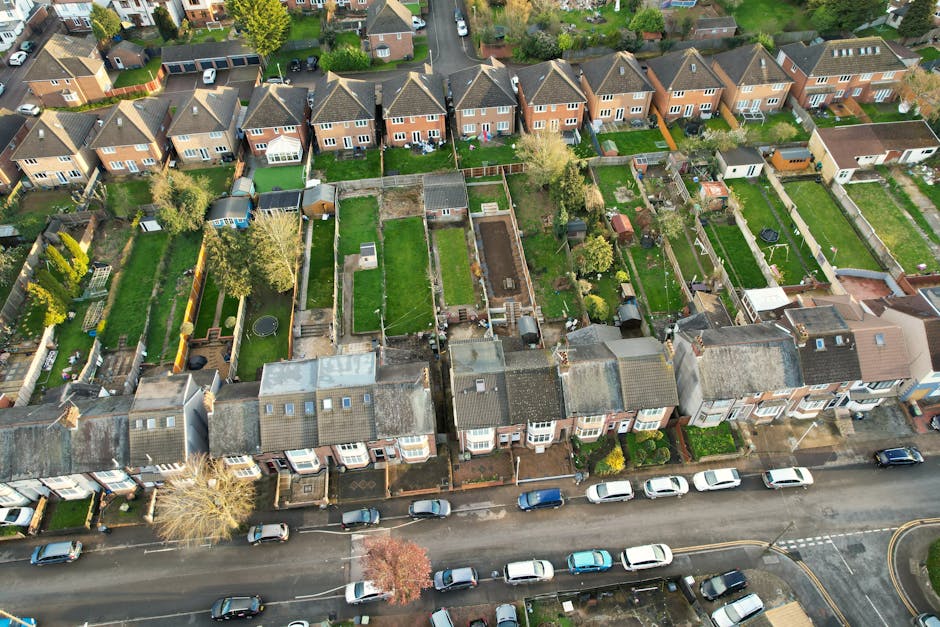
If you live in a terrace home on or near Yeading Lane, you already know the garden can be both a blessing and a bit of a puzzle. Space is tighter, boundaries are closer, and every square metre seems to matter. A well-planned Yeading Lane garden maintenance guide for terrace homes helps you keep things tidy, private, and usable without turning weekend upkeep into a second job. This guide covers practical maintenance, seasonal routines, common problems, and the small details that make a compact garden feel calmer and better looked after.
Terrace gardens can look simple from the street, but they often need more thoughtful care than larger plots. Foot traffic, shade from adjoining walls, drainage quirks, and the need for privacy all affect how the space should be maintained. Let's face it: a tidy terrace garden can make the whole home feel sharper. And yes, that includes the slightly scruffy patch near the bins that everyone pretends not to notice.
Below you'll find a clear, usable guide that balances everyday upkeep with longer-term planning, so your garden works with the way terrace living actually works.
Quick takeaway: terrace gardens usually do best with regular light maintenance, seasonal pruning, sensible planting choices, and a plan for waste, access, and privacy. Small spaces reward consistency more than heroic effort.
Table of Contents
- Why Yeading Lane garden maintenance guide for terrace homes Matters
- How Yeading Lane garden maintenance guide for terrace homes Works
- Key Benefits and Practical Advantages
- Who This Is For and When It Makes Sense
- Step-by-Step Guidance
- Expert Tips for Better Results
- Common Mistakes to Avoid
- Tools, Resources and Recommendations
- Law, Compliance, Standards, or Best Practice
- Options, Methods, or Comparison Table
- Case Study or Real-World Example
- Practical Checklist
- Conclusion
- Frequently Asked Questions
Why Yeading Lane garden maintenance guide for terrace homes Matters
Terrace gardens around Yeading Lane are often compact, overlooked, and used hard. That combination makes maintenance more important, not less. A small garden can become messy very quickly if leaves pile up, hedges creep, or hard surfaces collect grime and weeds. Because the space is narrow, any neglect is visible almost immediately. The upside is that good maintenance makes a big difference fast. You don't need a huge budget or a dramatic redesign to improve the feel of the place.
There is also a practical side to it. In terrace homes, the garden often doubles as storage access, bin movement space, laundry drying area, or a place for children and pets to use safely. If the layout is not looked after, these everyday jobs become awkward. Narrow paths get slippery, overgrown plants block light, and untidy edges make the whole area feel smaller than it is.
In our experience, people often wait until the garden looks "bad enough" to do something. Truth be told, that is usually when the job becomes more expensive and time-consuming than it needed to be. A little attention, regularly, is the smarter route.
It also matters for presentation. If you are thinking about renting, selling, or simply making the home more pleasant to live in, the garden is one of those spaces people notice in the first minute. Not because they expect a showpiece, but because a clean, orderly terrace garden suggests the rest of the property has been cared for too.
How Yeading Lane garden maintenance guide for terrace homes Works
This kind of maintenance is best treated as a system rather than a one-off tidy-up. The process usually starts with clearing and inspection, then moves into pruning, feeding, surface care, and a simple routine that keeps problems from building up again. In terrace homes, the trick is to work with the size of the space. Small garden, smart schedule.
A practical maintenance routine generally includes:
- checking for weeds, fallen leaves, and blocked drains or gullies
- cutting back plants that are crowding paths or fences
- keeping grass short, or replacing awkward lawn strips with lower-maintenance planting
- cleaning paving, patios, and edges so they do not become slippery
- reviewing plant health, pest issues, and overwatering risks
- removing waste responsibly so the area stays clear and usable
Where terrace gardens differ from larger plots is in the timing. A missed fortnight can create a lot of visible change. That means the garden responds best to smaller, more frequent tasks. A ten-minute check after a wet week can prevent algae, while light pruning in the right season can stop a border becoming a wall of tangled stems by late summer.
Another thing people sometimes overlook is access. A terrace garden can be awkward for equipment if the side path is narrow or the only route is through the house. So maintenance works best when tools are chosen for convenience, not ambition. You do not need a huge mower if a compact cutter and hand tools make more sense.
Key Benefits and Practical Advantages
Good maintenance is not just about appearance. It changes how the whole home functions. A neat terrace garden can feel quieter, brighter, and easier to live in. That sounds simple, but it matters day to day.
Some of the main benefits include:
- Better use of space: tidy borders and clear paths make the garden feel larger and more usable.
- Lower long-term effort: regular small tasks are easier than a major seasonal rescue.
- Improved privacy: controlled planting can soften sightlines without blocking light completely.
- Reduced trip and slip hazards: clean paving and trimmed edges help keep the area safer.
- Healthier planting: plants that are pruned, mulched, and watered properly usually cope better with stress.
- Better kerb appeal: even a modest terrace garden looks more inviting when it is clearly cared for.
There is also a psychological benefit that is hard to measure but easy to feel. A tidy outdoor area gives you a place to stand with a morning coffee, or to shut the back door and think, yes, that's better. You notice the birds more, the light more, and the whole home feels less cramped. Small win, but a real one.
If you are comparing service options, it can help to look at the wider range of help available through the services overview and then check how a provider handles quotes on the pricing and quotes page. Clear scope matters, especially in compact gardens where one extra task can change the time and cost quite a bit.
Who This Is For and When It Makes Sense
This guide is useful if you own, rent, manage, or are preparing to improve a terrace home garden near Yeading Lane. It suits people who want the space to look tidy without spending every weekend on it.
It is especially relevant if you:
- have a small rear garden, narrow side access, or a courtyard-style terrace plot
- struggle with weeds, moss, or leaf build-up after wet weather
- want to create a neater outdoor space for children, pets, or guests
- need the garden to feel more private without losing daylight
- are planning to sell or let the property and want better presentation
- prefer a low-maintenance layout over a high-effort planting scheme
It also makes sense if you have inherited a garden that was designed for a different lifestyle. A lot of terrace spaces were set up with a lawn and a couple of borders, then left to sort themselves out. That works for a while. Then suddenly it doesn't. If the garden feels like it is always one rainstorm away from chaos, this is the kind of approach that helps.
For homeowners who want a professional hand, it is sensible to speak with a local team that understands access, disposal, and safe working practices. You can learn more about the business behind the service via the about us page, or use the contact us page when you are ready to ask a specific question. Simple enough.
Step-by-Step Guidance
A terrace garden stays manageable when you break maintenance into clear stages. You do not have to do everything in one session. In fact, trying to do that is often how people burn out halfway through and leave a half-bag of clippings beside the shed for three weeks.
1. Start with a proper clear-up
Begin by removing leaves, twigs, broken pots, dead growth, and anything else that has built up on the surface. Clear the area so you can see the garden properly. This is the stage where hidden issues tend to reveal themselves: patchy paving, dead plants, blocked drainage points, and weeds tucked against walls or fence lines.
2. Check the hard landscaping
Look at patios, paths, stepping stones, bins areas, and edging. In terrace homes, hard surfaces often do more heavy lifting than the planting. If paving is slippery or uneven, it should be addressed quickly. Clean surfaces also make a small garden feel lighter and more spacious.
3. Cut back what is overgrowing
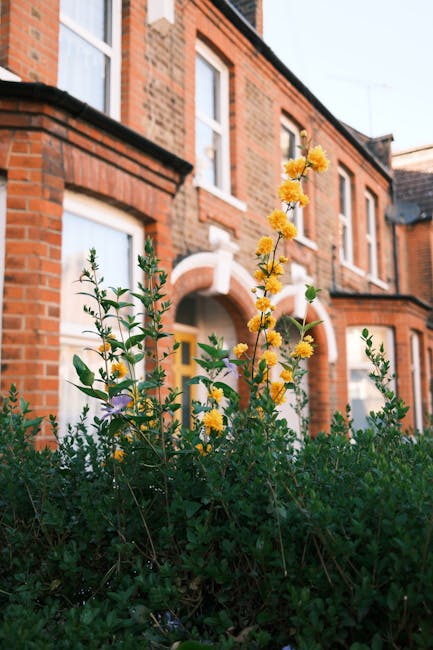
Trim back hedges, climbers, and shrubs that are pressing into walkways or stealing too much light. Keep an eye on boundary plants as well. In narrow plots, a plant that spreads a little too enthusiastically can start to dominate very fast. And then you're playing catch-up.
4. Weed carefully, then mulch
Remove weeds from beds, cracks, and edge joints before they set seed. After that, consider a mulch layer in borders to help retain moisture and reduce repeat weeding. Mulch also gives the garden a more finished appearance, which matters in small spaces where detail stands out.
5. Review watering and drainage
Terrace gardens can swing between dry and waterlogged depending on shade, surface cover, and soil structure. Check where water sits after rain. If one end stays soggy or a container dries out too fast, adjust the layout or watering approach. Containers may need checking more often than people expect, especially in sheltered spots beside brick walls.
6. Feed and refresh planting
Feed plants where appropriate and replace tired or failing specimens with varieties that suit the actual conditions of the garden. This is where realism helps. A plant that looks lovely in a magazine may sulk in a narrow, shaded terrace yard. Choose for conditions, not just looks.
7. Set a light maintenance rhythm
Once the space is in shape, keep it that way with a simple routine. A quick weekly check and a slightly deeper monthly tidy can be enough for many terrace homes. The trick is consistency, not perfection.
Expert Tips for Better Results
There are a few habits that make a disproportionate difference in small gardens. They are not flashy, but they work. Quietly. Consistently.
- Use layers, not clutter. A terrace garden looks better when planting is intentional. One strong focal shrub, a few lower plants, and clear edges often beat a crowded mix.
- Keep one side simpler. If the garden feels tight, simplify one border or edge. This creates breathing room and makes the whole area feel less busy.
- Choose plants that forgive missed weekends. Even the best-kept home has weeks when life gets in the way. Pick resilient plants so the garden does not fall apart after a couple of busy Saturdays.
- Work with light, not against it. Many terrace gardens have shaded sections from fences, extensions, or neighbouring walls. Put the right plants in the right spots.
- Use containers for flexibility. Pots can be moved to improve light, spacing, and access. They are especially handy where the layout changes with the season.
- Think about scent and texture. In small gardens, close-up detail matters. Herbs, soft grasses, and lightly scented plants can make the space feel richer without needing size.
Here is a simple but useful thought: if you would not want to walk past it three times a day, it probably needs changing. That sounds blunt, but it helps cut through the noise when choosing what stays and what goes.
If you want reassurance around safety, insurance, or working standards, it is worth reviewing the provider's insurance and safety information and health and safety policy. Those pages help show how the work is handled, which matters when access is tight or tools are being used in a confined space.
Common Mistakes to Avoid
Most terrace garden problems are not dramatic. They build slowly. That is why they can be annoying to deal with. The good news is that many are easy to avoid once you know what to watch for.
- Letting weeds get established: a few small weeds are easy; a network of rooted weeds in paving joints is a hassle.
- Overplanting the space: too many plants make a small garden feel cramped and harder to maintain.
- Ignoring drainage signs: puddles, algae, or damp patches can point to a problem that will get worse if left.
- Using oversized tools: bulky equipment can be awkward in narrow terrace layouts and may damage borders or paving.
- Pruning at the wrong time: some plants recover badly if cut too hard in the wrong season.
- Forgetting waste removal: clippings left too long make a garden look unfinished and can attract pests in warm weather.
A surprisingly common mistake is treating the garden like a one-time project. It is not. A terrace garden is more like a living room with weather attached. You keep an eye on it, and it keeps being pleasant. Ignore it for long enough and, well, nature makes herself at home.
If you are not sure how much work is realistic, that is where a structured service can help. It is also wise to review the terms and conditions and payment and security information before booking anything. A bit of clarity upfront saves awkward conversations later.
Tools, Resources and Recommendations
You do not need a garage full of equipment to maintain a terrace garden properly. In fact, too many tools can create more clutter than convenience. The best kit is usually the kit you will actually use.
| Tool or resource | Best use | Why it helps in terrace gardens |
|---|---|---|
| Hand trowel and hand fork | Weeding, planting, border care | Precise and manageable in tight spaces |
| Bypass secateurs | Pruning stems and small branches | Cleaner cuts and easier control than bulky cutters |
| Leaf rake or small broom | Clearing debris from paving and beds | Quick tidying without disturbing planting too much |
| Bucket or garden trug | Collecting clippings and weeds | Useful when access is narrow or wheelbarrows are awkward |
| Compost or mulch | Soil improvement and weed suppression | Supports healthier planting and tidier borders |
| Hose or watering can | Targeted watering | Better control in compact layouts and container areas |
It can also help to use a simple notebook or phone note to track when you last pruned, fed, or pressure-cleaned a surface. Nothing fancy. Just enough to remember what happened when. Gardens have a funny way of making time disappear.
For households that want a broader service rather than just one-off tidying, the services overview can be a useful starting point. If you are balancing upkeep with budget, the pricing and quotes page is the place to check how the work is usually scoped.
Law, Compliance, Standards, or Best Practice
For most terrace garden maintenance, the key point is not complex law. It is sensible, safe, and respectful practice. That said, there are a few things worth keeping in mind. If work involves ladders, powered tools, disposal of waste, or access through a property, it should be handled carefully and in line with normal UK safety expectations.
Good practice usually includes:
- using suitable protective equipment where needed
- keeping access routes clear and safe
- managing waste responsibly and not dumping clippings or soil
- avoiding damage to shared boundaries, fences, or neighbouring property
- checking that tools and equipment are fit for purpose
If you are commissioning work, it is fair to ask how safety is managed, whether the provider is insured, and how any issues are dealt with. These are not awkward questions. They are sensible ones. The same goes for privacy and cookies if you are booking or browsing online; the site's privacy policy and cookie policy explain how that side is handled.
For broader trust and accountability, some readers also like to review the company's complaints procedure and recycling and sustainability approach. Those details may not be glamorous, but they do matter when you want a reliable service and responsible waste handling.
Options, Methods, or Comparison Table
Not every terrace garden needs the same level of maintenance. Some homes only need regular light care. Others need a reset before they can settle into a simple routine. The best option depends on the garden's condition, your time, and how much change you want.
| Approach | Best for | Pros | Trade-offs |
|---|---|---|---|
| Weekly light maintenance | Gardens already in reasonable shape | Cheap in time, easy to keep on top of, prevents build-up | Needs consistency |
| Seasonal deep tidy | Gardens that get messy after winter or summer growth | Resets the space and clears major issues | Can feel like a bigger job all at once |
| Low-maintenance redesign | Gardens that are difficult to manage long-term | Reduces future effort, suits busy households | Requires planning and possible upfront work |
| Professional ongoing care | Homes where time, access, or physical effort is limited | Regular results, less stress, predictable upkeep | Ongoing cost |
For many terrace homes, the sweet spot is a seasonal reset followed by light recurring maintenance. That combination keeps the space usable without turning every month into a garden project.
If you are comparing a one-off tidy with a repeat schedule, think about what tends to go wrong in your garden. Is it weeds after rain, fast-growing hedges, or leaves that clog everything in autumn? The answer usually points to the right approach.
Case Study or Real-World Example
A typical Yeading Lane terrace garden might be small, enclosed, and a little awkward to move around in. Picture a rear garden with a narrow path, a tired lawn, one climbing plant on the fence, and a few containers that have drifted into the wrong corner. Nothing dramatic. Just the kind of space that slowly starts to feel smaller than it is.
In one common scenario, the first visit is mostly about clearing. Leaves come off the paving, weeds are lifted from the edges, and overgrown stems are cut back enough to reveal the shape of the space again. Suddenly you can see the garden properly. That alone changes how people feel about it.
Next comes the decision-making. The lawn might be too small to justify heavy upkeep, so it may be kept shorter and simpler, or replaced later with lower-maintenance planting. A few better-placed containers can create structure without crowding the path. A mulch layer in the borders helps reduce repeat weeding, and the fence climber gets trained rather than left to wander.
The result is not a show garden. It is better than that. It is a garden that works. The family can step outside without dodging clutter. The bins area feels less like an afterthought. The space looks cleaner from the kitchen window on a grey Tuesday morning, which, honestly, is when these things matter most.
Practical Checklist
Use this checklist as a simple monthly or seasonal prompt for a terrace home garden near Yeading Lane.
- Remove weeds from beds, cracks, and fence lines
- Clear leaves, debris, and old clippings
- Trim plants that block paths or windows
- Check paving, edging, and drainage
- Prune shrubs and climbers at the right time of year
- Water containers and young plants properly
- Refresh mulch where needed
- Remove dead or failing plants
- Review privacy, light, and access around the garden
- Dispose of waste responsibly
- Plan the next maintenance visit before the garden drifts again
Simple rule: if a task takes under five minutes, do it now. If you leave three of those tasks for later, they somehow become an afternoon. Funny how that works.
Get a free quote today and see how much you can save.
Conclusion
A terrace home garden does not need to be large to be valuable. It needs to be cared for in a way that matches how the space is used. Around Yeading Lane, that usually means regular light maintenance, smart planting, tidy hard surfaces, and a realistic plan for waste, access, and seasonal work.
The best results come from steady attention rather than dramatic overhauls. Keep the garden clear, cut back the right growth at the right time, and choose materials and plants that suit the space you actually have. That is the heart of a good terrace garden maintenance plan. Nothing flashy. Just a garden that feels easy to live with.
If you are ready to improve the look and feel of your outdoor space, start with one corner, one border, or one weekend. Once the garden begins to settle, you will notice it straight away. And that is a good feeling, no question about it.
Frequently Asked Questions
How often should a terrace garden on Yeading Lane be maintained?
Most terrace gardens do best with a light weekly check and a more complete tidy once a month, with seasonal pruning or clearing as needed. The exact rhythm depends on planting, shade, and how much the space is used.
What makes terrace garden maintenance different from larger gardens?
Small spaces show neglect quickly. Overgrowth, weeds, and debris reduce usable space much faster than they do in a bigger garden, so consistency matters more than large one-off jobs.
Can a small terrace garden be made low maintenance?
Yes. Replacing high-maintenance features with robust planting, containers, and tidy hard surfaces can make upkeep much easier. Choosing the right plants for shade and access is usually the biggest win.
What is the best time of year to start garden maintenance?
Any time is better than leaving it, but spring and early autumn are often practical points for bigger resets. Those periods make it easier to prune, refresh borders, and plan for the months ahead.
Should I keep a lawn in a terrace garden?
Only if it is genuinely useful to you. In very small gardens, lawn can be more trouble than it is worth. Some people prefer paving, gravel, or planted borders because they are simpler to manage.
How do I stop weeds coming back so quickly?
Remove them before they seed, keep borders mulched where appropriate, and avoid leaving bare soil exposed for long periods. A regular inspection schedule also helps catch growth early.
What are the main signs my terrace garden needs professional help?
If the garden is getting harder to walk through, if pruning feels unsafe, if drainage seems poor, or if the whole space feels unmanageable, it may be time for outside help. That is common, not a failure.
How do I choose between one-off and ongoing maintenance?
Choose a one-off tidy if the garden mainly needs a reset. Choose ongoing care if the same issues keep returning, or if you simply do not have time to stay on top of it yourself.
Is waste removal included in garden maintenance?
It depends on the service arrangement. Always check what is included, especially for clippings, branches, soil, or larger volumes of green waste. Clear expectations avoid surprises later.
What should I ask before booking a garden maintenance service?
Ask what tasks are included, how waste is handled, whether the team is insured, how access is managed, and how pricing is structured. Those questions are practical and completely normal.
Can garden maintenance improve privacy in a terrace home?
Yes. Careful trimming, better-placed planting, and well-managed climbers can improve screening without making the garden dark or closed in. It is a balancing act, but a useful one.
Where can I learn more about service standards and next steps?
You can review the company's services overview, pricing and quotes, and contact us page if you want to ask about a specific terrace garden or arrange a quote.