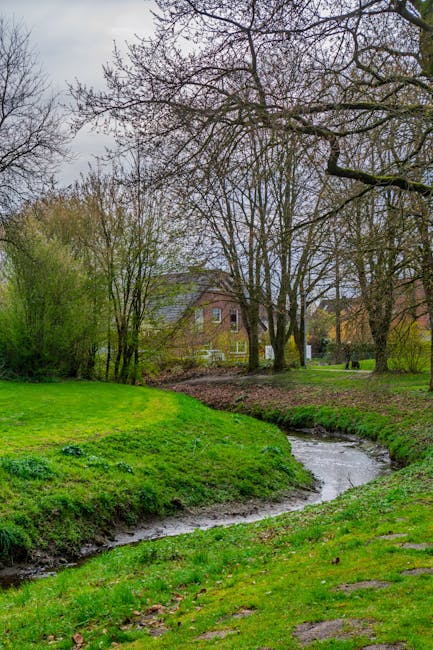
Yeading Brook Park gardeners lawn care tips for small plots
If you are trying to keep a small lawn looking neat around Yeading Brook Park, you already know the challenge: there is never quite enough space for lazy habits. A tiny plot shows everything. One missed mow, one patch of moss, one heavy footpath after rain, and suddenly the whole garden looks tired. The good news is that Yeading Brook Park gardeners lawn care tips for small plots are not about doing more work; they are about doing the right work, in the right order, for a compact space.
This guide brings together practical lawn care advice for smaller gardens, with a focus on the sort of conditions you often get in west London: a mix of shade, passing foot traffic, a bit of compaction, and the occasional awkward corner that never dries properly. You will find clear steps, useful tools, common mistakes to avoid, and a few local-minded observations that help a small lawn stay healthy without becoming a weekend burden. Let's face it, no one wants to spend every Saturday wrestling a lawn that should be simple.
Why Yeading Brook Park gardeners lawn care tips for small plots Matters
Small lawns are unforgiving in a good way. They give you fast feedback. If the grass is too long, the whole space can look cluttered. If the soil is compacted, you will see puddling or thin patches. If the edges are ragged, even a healthy lawn can look unfinished. For homeowners and gardeners near Yeading Brook Park, that matters because compact outdoor spaces often sit right beside patios, paths, sheds, or planting beds, so the lawn becomes the visual centre of the garden.
A smaller plot also needs a different mindset from a large open lawn. On a big site, you can sometimes hide uneven mowing, slight patchiness, or a few weeds. On a compact lawn, you cannot. Every cut line is visible. Every border matters. That is why targeted lawn care advice makes a real difference: it saves time, reduces waste, and gives you a more polished result without overcomplicating the job.
There is also the weather factor. In London gardens, small plots may get partial shade from fences, neighbouring buildings, or trees. Shade slows drying, encourages moss in the wrong places, and makes mowing timing a bit more important. If your lawn feels soft underfoot after a damp morning, that is not a failure. It just means your maintenance routine needs to be tuned to the site rather than copied from a generic checklist.
How Yeading Brook Park gardeners lawn care tips for small plots Works
The basic idea is simple: a small lawn thrives when you control growth, protect the root zone, and keep the surface open to air, light, and water. In practice, that means mowing lightly and often, feeding only when needed, improving drainage if water sits around, and dealing with weeds or moss before they spread.
For a small plot, precision matters more than force. You do not need aggressive scarifying every time the lawn looks a little flat. You do not need to mow extremely short just because the area is compact. In fact, cutting too low is one of the quickest ways to stress grass in a small garden. A slightly higher cut usually gives better colour, stronger roots, and fewer dry patches during warmer spells.
Think of small-plot lawn care as a rhythm rather than a rescue mission. Mow regularly, edge neatly, inspect for bare areas, and keep an eye on how the lawn reacts after rain, shade, or heavy use. That steady approach beats dramatic fixes. Truth be told, lawns prefer consistency over heroics.
Key Benefits and Practical Advantages
When you care for a small lawn properly, the rewards show up quickly. You will usually notice tidier lines, richer colour, and fewer awkward repairs. More importantly, you spend less time doing emergency jobs. A well-managed small plot is easier to maintain than a neglected one, even if it sounds backwards at first.
- Less weekly effort: A clear routine prevents the lawn from getting away from you.
- Better appearance: Clean mowing and sharp edges make a small garden look more intentional.
- Healthier grass: Balanced mowing and feeding support stronger roots and denser growth.
- Lower waste: You avoid overusing fertiliser, water, or repair materials.
- Fewer problem areas: Early intervention helps with moss, weeds, scalping, and patchy turf.
There is a quieter benefit too. A neat lawn changes how the whole garden feels. It makes a compact space seem calmer and more usable, especially when the rest of the garden is busy with pots, borders, or seating. You will probably feel that difference before you can even name it.
Who This Is For and When It Makes Sense
This guidance is especially useful if you have a small rear garden, a narrow front strip, a courtyard with a lawn section, or a shared green area that needs simple but reliable upkeep. It also suits people who want decent results without hiring a full-scale landscaping team for every minor task. If your grass area is modest and you value neatness, these methods make sense.
It is also a good fit when you are trying to balance lawn care with other priorities. Maybe you work long hours. Maybe the garden is family space and gets trampling from children or pets. Maybe you have mature shrubs or a hedge that creates shade and leaf drop. A smaller garden often has several competing pressures at once, so the lawn plan needs to be practical, not perfectionist.
Some readers will simply want a steadier baseline before booking professional help. That is fair too. A well-kept small lawn makes it easier for any gardener to step in and improve the site. If you are comparing service options, a broader overview of garden services available in Yeading can help you decide what to handle yourself and what to outsource.
Step-by-Step Guidance
Here is a straightforward way to manage a small lawn without turning it into a chore list from hell.
1. Start by reading the lawn, not just mowing it
Before you cut anything, look closely. Is the grass dense or thin? Are there wet areas that stay soft? Do you have shade for most of the day? Are edges spilling into beds? On a small plot, that quick check tells you almost everything you need to know about the next job.
2. Mow little and often
Regular mowing is usually better than letting the grass grow tall and then cutting it hard. A lighter cut reduces stress and keeps the lawn looking clean. If the grass has got away from you, do not rush to shave it down in one go. Take it down gradually over a couple of cuts so you do not shock the turf.
3. Keep the mower blades sharp and the height sensible
Blunt blades tear grass rather than cutting it cleanly. That can leave frayed tips and a dull, greyish look. On a small lawn, where detail is visible, sharp blades make a noticeable difference. Also, avoid cutting too low in dry or shaded conditions. Slightly longer grass handles stress better.
4. Edge the lawn for definition
Good edging is one of the fastest ways to improve a compact garden. It creates a clean boundary between lawn, border, paving, or gravel. Even if the grass itself is only average, neat edges make the whole thing feel cared for. It's a small job, but a powerful one.
5. Deal with moss, weeds, and bare spots early
Moss usually suggests shade, dampness, compaction, or low fertility. Weeds can mean thin turf and open soil. Bare patches are worth repairing before they widen. On a small lawn, you can often hand-weed, lightly rake, and overseed without much fuss. Leaving problems for later usually makes them more annoying, and more visible. Rather rude of the lawn, really.
6. Improve the soil where needed
If the lawn feels hard and water sits on top after rain, compaction may be part of the issue. Gentle aeration can help by allowing air and water into the root zone. If the soil is heavy clay or consistently waterlogged, you may need more than routine mowing. Small plots benefit from targeted fixes because you can work precisely where the issue is instead of treating the entire area as if it were the same.
7. Feed only when the lawn needs it
Feeding should support the grass, not force glossy growth for the sake of it. A modest, balanced approach is usually better for small plots. Too much feed can create excessive top growth, which means more mowing and a softer surface. If your lawn already looks lush, feeding aggressively can do more harm than good.
8. Water deeply, not constantly
In dry spells, a small lawn may need occasional watering, but shallow daily watering can encourage weak roots. A deeper soak less often usually does more good. If you are watering by hand, do it early enough that the grass can absorb moisture before the day heats up. Early morning is often the calmest, most efficient time.
Simple rule: steady care beats dramatic rescue.
Expert Tips for Better Results
Once the basics are in place, the small details start to matter. These are the habits that separate a merely tidy lawn from one that really holds together.
- Change the mowing pattern. Alternate directions so the grass does not lean the same way every time and ruts do not form in one line.
- Mow when the grass is dry enough. Wet mowing clumps badly and can tear the surface, especially on a short run of lawn.
- Use a border strip for clean finishing. A narrow strip of paving, gravel, or edging near the boundary makes maintenance easier and keeps the shape crisp.
- Lift shade where possible. Trimming back overhanging growth or thinning dense planting can help a lawn dry out faster. If you need support with larger overgrowth, a service such as hedge trimming may be worth considering.
- Keep foot traffic off soft areas. Even a few repeated steps across a damp section can compact the soil quickly.
- Use a light hand with fertiliser. More is not better. That old saying exists for a reason.
One small but useful trick: if a tiny lawn always looks messy around the edges, the problem may not be the grass at all. It may be the border line. Tighten the outline, and the whole plot suddenly looks more intentional. Strange how that works.
If your small garden has become cluttered with leaves, old pots, broken edging, or leftover soil bags, clearing the space first can make lawn care much easier. In those cases, a bit of garden clearance before the next maintenance round can save time and frustration.
Common Mistakes to Avoid
Small lawns often fail for ordinary reasons, not dramatic ones. Here are the mistakes we see most often.
- Cutting too short: Scalping weakens the grass and leaves it vulnerable to heat, drought, and weeds.
- Ignoring drainage problems: If a patch stays wet, mowing alone will not fix it.
- Using the same routine all year: A winter lawn and a midsummer lawn do not want the same treatment.
- Letting edges blur: A blurred border makes a small plot look untidy even when the grass is healthy.
- Overfeeding: Fast growth may sound good, but it often creates more work and less resilience.
- Waiting too long to repair bare areas: Bare soil invites weeds and makes the lawn look patchy very quickly.
Another common one: treating moss as if it were the enemy and forgetting to ask why it appeared in the first place. Moss is usually a symptom, not the whole problem. Shade, moisture, and compaction often sit underneath it. Fix the cause and you improve the lawn far more effectively than by endlessly chasing the surface growth.
Tools, Resources and Recommendations
You do not need a shed full of specialist kit to manage a small plot well. A few reliable tools will cover most of the work.
| Tool / resource | Best use | Why it helps on small plots |
|---|---|---|
| Hand or compact mower | Routine mowing | Easier to manoeuvre in narrow spaces and around borders |
| Edging shears or strimmer | Border definition | Sharpens the look of a compact lawn quickly |
| Spring tine rake | Light scarifying and debris removal | Helpful for moss, thatch, and loose clippings |
| Garden fork or aerator | Relieving compaction | Targets soft spots and improves drainage |
| Overseeding mix | Repairing thin areas | Restores density without replacing turf |
| Watering can or hose with care | Dry-weather support | Lets you water precisely without waste |
For ongoing upkeep, many people prefer a scheduled maintenance approach rather than tackling everything ad hoc. If that sounds like you, a regular garden maintenance plan can be a sensible way to keep the lawn, borders, and edging in good shape together. It is often easier than chasing separate jobs piecemeal.
If you want a sense of the wider gardening support available, the main gardening blog can also be a useful place to compare practical approaches and seasonal ideas.
Law, Compliance, Standards, or Best Practice
For ordinary domestic lawn care, there is usually no complicated legal process to worry about. Still, there are a few best-practice points worth keeping in mind, especially if you live in a terraced street, shared access area, or near neighbours.
First, consider noise and timing. Mowers and strimmers can be disruptive early in the morning or late in the evening. Being considerate is not just neighbourly; it also makes maintenance easier to keep up without complaints. Second, if you use chemicals, read the product instructions carefully and follow them exactly. Do not guess. Overuse can damage the lawn, nearby planting, and sometimes hard surfaces too.
Third, if you hire someone to do the work, basic expectations around insurance, safe equipment, and clear communication are sensible. A reputable service should be able to explain how they manage hazards, what work is included, and how they handle waste or recycling. If you want to understand those standards before booking anything, the site's insurance and safety information and health and safety policy are worth reviewing.
There is also a sustainability angle. Grass clippings, green waste, and overall material use can often be handled more responsibly than people expect. In practice, that may mean mulching lightly where appropriate, reusing suitable organic matter, and choosing maintenance methods that avoid unnecessary waste. Small gardens lend themselves well to that kind of measured approach.
Options, Methods, or Comparison Table
Not every small plot needs the same treatment. The right method depends on how the lawn is used, how much time you have, and what condition the grass is in. Here is a simple comparison to help you decide.
| Method | Best for | Pros | Trade-offs |
|---|---|---|---|
| Routine mowing and edging | Generally healthy lawns | Fast, tidy, low-cost | Does not fix deeper soil or drainage problems |
| Repair-focused care | Thin, patchy, or worn lawns | Improves density and resilience | Needs more attention at first |
| Low-input maintenance | Shaded or lightly used plots | Less time, lower fertiliser use | May not create a showpiece finish |
| Full renovation approach | Severely tired lawns | Can transform a poor site | More disruption and planning required |
For most small gardens, the first two methods are enough. Full renovation is usually only necessary if the lawn is badly compacted, very patchy, or overwhelmed by weeds and moss. A lot of people assume they need a total overhaul when a careful, staged repair would do the job just fine.
Case Study or Real-World Example
Picture a modest back garden near Yeading Brook Park: a rectangular lawn, a narrow border on one side, paving on the other, and a shady corner where the grass always looks a bit sulky by mid-summer. Nothing dramatic. Just a typical small plot with a few frustrations.
The first issue was uneven mowing. The grass had been left too long between cuts, then taken down too short. That left it patchy and stressed. The second issue was compaction near the seating area, where people naturally walked the same line every day. The third was a leafy edge under a shrub, which held moisture and encouraged moss.
The fix was simple rather than clever. The lawn was cut more regularly at a slightly higher height, the border was sharpened, the compacted area was forked lightly, and the shaded corner was kept cleaner by reducing debris build-up. A small amount of overseeding helped fill thin spots. By the next few weeks, the lawn still was not perfect, but it looked steadier, neater, and much easier to manage.
The main lesson? Small plots respond quickly to small corrections. You do not need a dramatic redesign. You need consistency, observation, and a bit of patience. Which, to be fair, is not the most glamorous answer, but it is the honest one.
Practical Checklist
Use this quick checklist before and after each maintenance session.
- Check whether the grass is dry enough to mow cleanly.
- Set the mower height to avoid scalping.
- Inspect edges, corners, and shaded spots.
- Remove leaves, twigs, and loose debris.
- Look for moss, weeds, or bare patches.
- Water only if the lawn genuinely needs it.
- Keep foot traffic off soft or recently repaired areas.
- Repair thin spots with seed if needed.
- Clean mower blades and tools after use.
- Note any recurring problem areas for next time.
Quick reminder: on a small lawn, the little things are the big things.
Conclusion
Yeading Brook Park gardeners lawn care tips for small plots are really about making a compact garden easier to enjoy, not harder to manage. With a bit of rhythm, sensible mowing, careful edging, and attention to shade, drainage, and wear, a small lawn can stay tidy and resilient without consuming all your free time. The real win is not just a greener patch of grass. It is a garden that feels calmer, cleaner, and more usable every week of the year.
If your lawn has started to feel like one more thing on an already full list, start with one improvement only. Sharpen the edges. Raise the mowing height. Repair one bare patch. Small steps count. And honestly, they often make the biggest difference in a little space.
Get a free quote today and see how much you can save.
Frequently Asked Questions
How often should I mow a small lawn near Yeading Brook Park?
For most small lawns, mowing little and often works best. In peak growing periods that may mean weekly, sometimes a bit more often if the grass is moving fast after rain. The key is to avoid leaving it too long and then cutting heavily in one go.
What is the best mowing height for a small plot?
A slightly higher cut is usually safer for small lawns, especially if the area gets shade or light foot traffic. Cutting too short can stress the grass and expose thin patches. If in doubt, do not be overzealous. The lawn does not need a buzz cut.
Why does my small lawn get moss so easily?
Moss often appears where the lawn is damp, shaded, compacted, or thin. In small plots, these conditions can show up quickly because the space is limited and less forgiving. Improving light, aeration, and mowing habits often helps more than simply removing moss on its own.
Can I repair bare patches without replacing the whole lawn?
Yes, in many cases you can. Lightly rake the area, loosen the top layer of soil, add seed, keep it moist, and avoid heavy traffic while it establishes. For small plots, patch repair is often the most practical fix.
Is it worth using fertiliser on a tiny lawn?
Sometimes, yes, but only if the lawn actually needs it. Overfeeding can create too much growth and more mowing. A modest, well-timed application is usually better than frequent heavy feeding. Less drama, better outcome.
What should I do if the lawn stays soggy after rain?
That usually points to drainage or compaction issues. Try light aeration first and keep an eye on whether water pools in the same place every time. If the problem keeps returning, the soil structure may need a more targeted fix.
How do I make a small lawn look neater quickly?
Sharp edges, a clean mow, and debris removal make the biggest immediate difference. If you have only 20 minutes, focus on edging and mowing. Those two jobs can change the whole look of a compact garden.
Should I water my small lawn every day in summer?
Usually not. Deep, less frequent watering is generally better than shallow daily watering. Daily watering can encourage weak roots and wasted water. The exception is a newly seeded area, which may need more careful moisture control while it establishes.
When is the best time of day to mow?
Late morning or early evening can work well, as long as the grass is dry enough and the heat is not too intense. Wet grass is harder to cut cleanly, and very hot conditions can stress the lawn.
Do I need professional help for a small lawn?
Not always. Many small lawns are perfectly manageable with a simple routine. But if the space is persistently patchy, badly shaded, or struggling with drainage and weeds, professional support can save time and prevent repeated mistakes.
What if my lawn sits under trees or near hedges?
That setup often means more shade, more leaf debris, and more competition for moisture. You may need a gentler mowing schedule, extra cleanup, and possibly some trimming around the edge. If overhanging growth is part of the issue, hedge or tree work may help the lawn recover.
How do I keep a small lawn healthy without spending every weekend on it?
Stick to a simple routine: mow regularly, edge when needed, clear debris, and fix small issues early. A compact lawn responds well to consistency. Once the routine is set, upkeep becomes much easier than it first seems.